Where ancient water meets modern wonder
At Niagara, every viewpoint tells two stories at once: one written by ice and stone, and one written by generations of travelers, guides, and dreamers.
Table of Contents
How Niagara Falls was formed
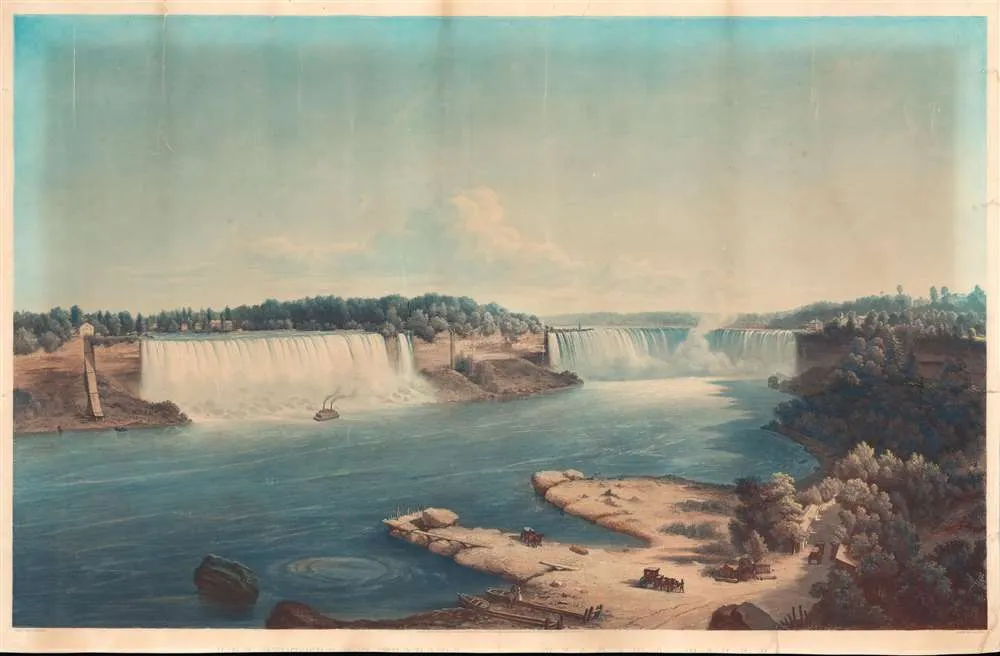
Long before observation decks, tour boats, and city lights, Niagara Falls was shaped by ice, pressure, and time on a scale that is hard to imagine. Near the end of the last Ice Age, retreating glaciers carved channels and exposed layers of rock that directed immense volumes of water from the upper Great Lakes toward what is now the Niagara River. As meltwater surged, the river began cutting backward through softer stone beneath harder caprock, creating the dramatic cliff line that still defines the falls today. In geological terms, Niagara is not a frozen monument but a living process, always changing, always wearing the landscape into new forms.
That slow reshaping is one reason the area feels so compelling in person. You are not only looking at beautiful scenery; you are standing in front of active earth history. The mist that drifts across the railings, the vibration you feel in your chest on the boat, and the deep curve of Horseshoe Falls all come from forces that started tens of thousands of years ago and continue every second. Understanding this gives your visit a different texture: Niagara becomes more than a famous attraction, it becomes a reminder that nature can be both patient and overwhelming at the same time.
Indigenous history and early encounters
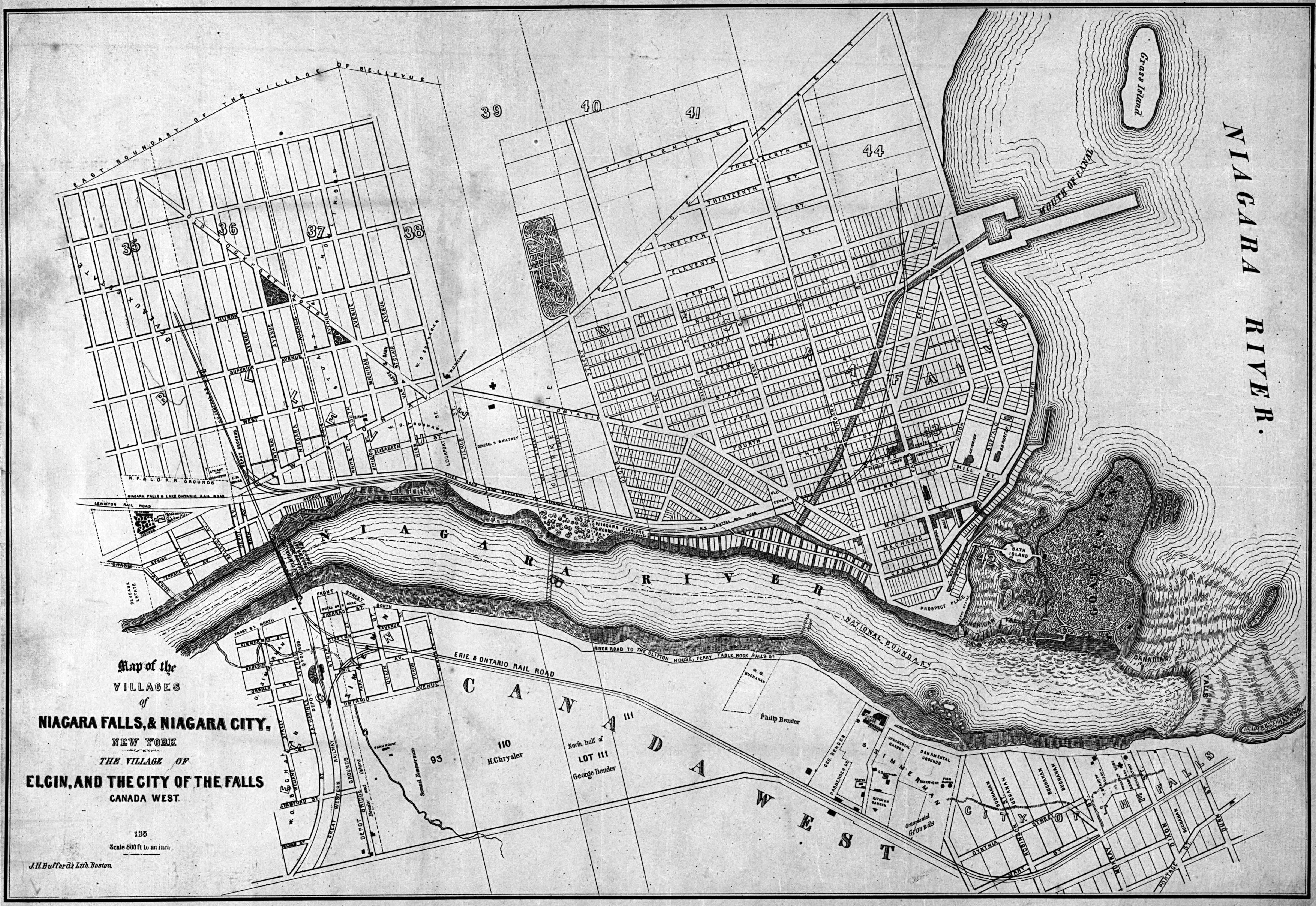
Long before Niagara appeared in European travel writing, this region was home to Indigenous communities whose knowledge of the land, river routes, and seasonal cycles shaped life around the falls. Oral histories and cultural memory preserve relationships with these waters that are far older than modern tourism. The falls were not simply scenic; they were part of larger networks of movement, trade, diplomacy, and spirituality. Travelers who come today for excitement and photos are stepping into a place that has carried meaning for countless generations.
As colonial expansion grew, Niagara became a point of contact and contest, then eventually a symbol in maps, paintings, and traveler stories. But the older relationship to place never disappeared. A thoughtful visit today includes recognizing that Niagara's fame sits on deeper histories, and that the river corridor holds layers of human experience beyond the viewpoint railings. This awareness does not make the trip heavier; it makes it richer, grounding the spectacle in real people, memory, and continuity.
From frontier crossing to tourist destination
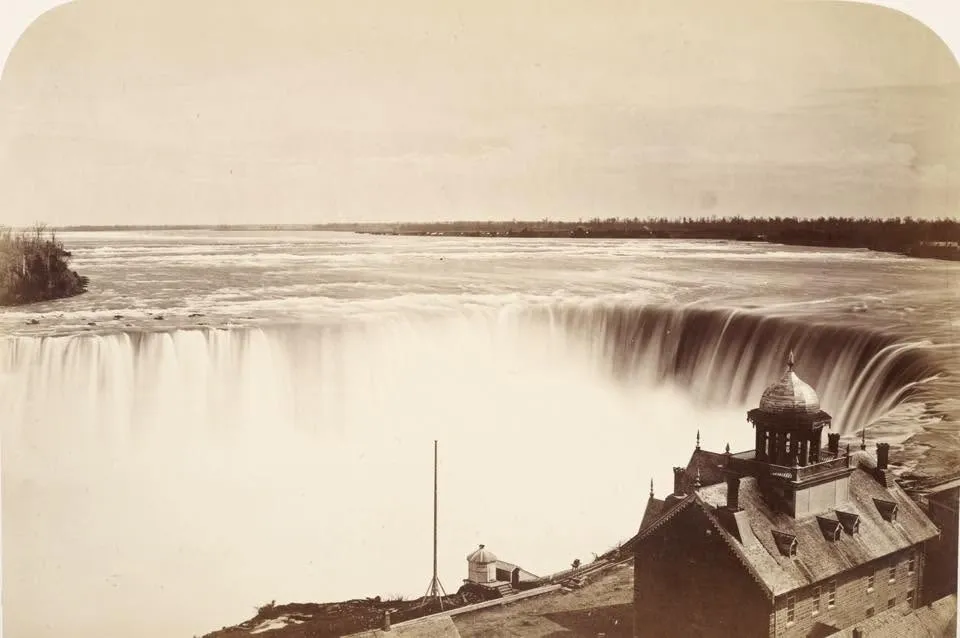
In the 19th century, better roads, rail links, and steam travel transformed Niagara from a difficult journey into a sought-after destination. Travelers arrived with guidebooks, sketch pads, and increasingly ambitious expectations. Hotels expanded, promenades improved, and local businesses adapted to a new economy centered on visitors who wanted both comfort and adventure. Niagara quickly became one of North America's earliest large-scale tourism landscapes.
What is striking is how familiar many motivations still feel. Then as now, people came for awe, celebration, romance, and the simple need to witness something greater than everyday routines. Honeymoon traditions, family road trips, and milestone visits all found a home here. The destination evolved, but the emotional reason for coming remained remarkably consistent: Niagara offers a shared experience that feels personal, whether you are visiting for the first time or returning after many years.
The rise of boat excursions
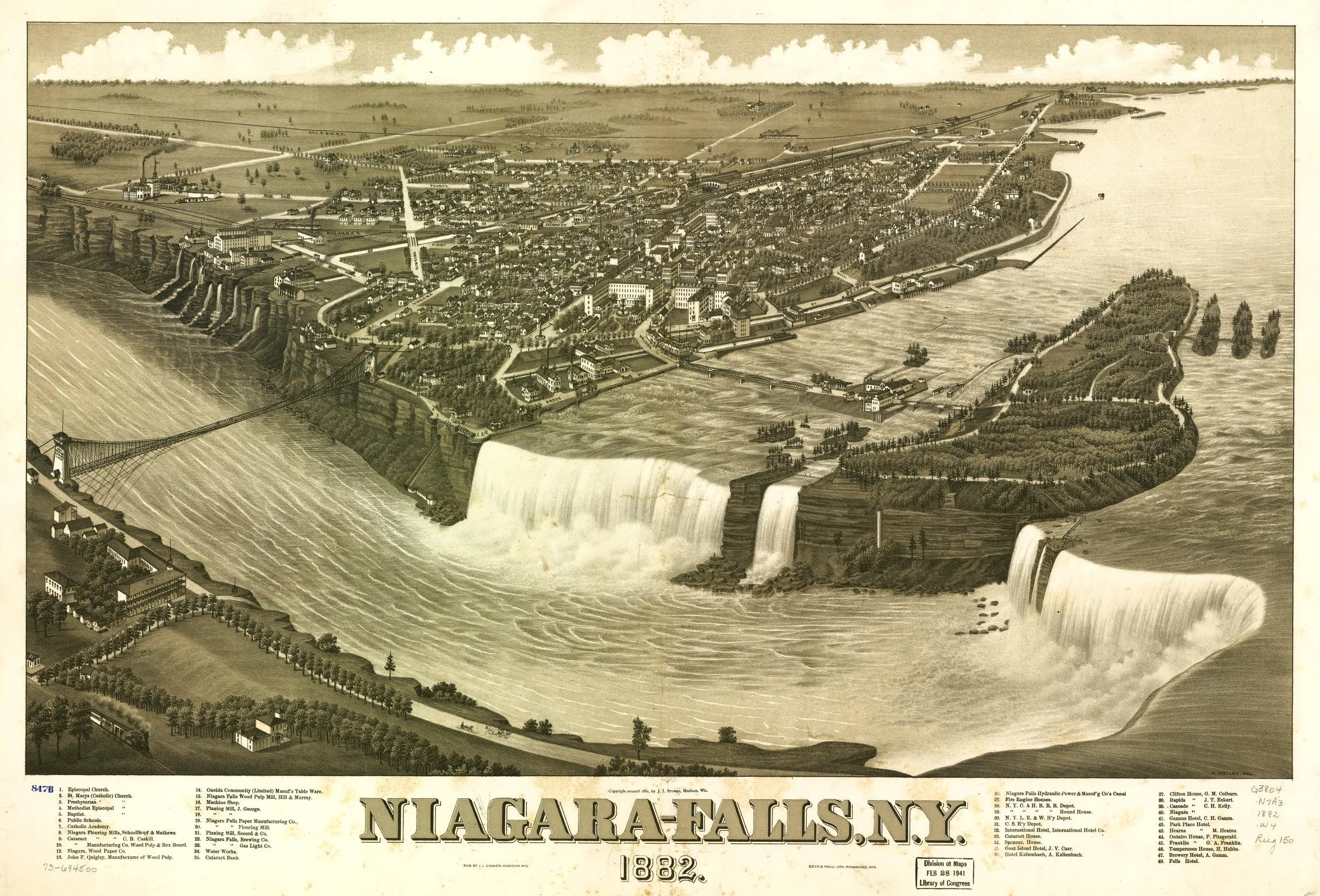
Boat trips at Niagara have a long lineage, evolving from early excursion craft into the modern, safety-focused sightseeing vessels that carry thousands of visitors each season. The basic idea has always been irresistible: if the falls are impressive from a distance, what happens when you approach the base? Over time, operators refined routes, boarding systems, and protective gear, making close-up access both thrilling and broadly accessible to everyday travelers.
Today, the boat experience is often the emotional centerpiece of a Niagara itinerary. As engines push into the spray, conversations dissolve into laughter, shouts, and wide-eyed silence. Cameras fog, ponchos whip in the wind, and for a few unforgettable minutes everyone shares the same sensation of scale. It is not just sightseeing; it is immersion. That is why, despite new attractions and digital distractions, the boat ride remains the signature Niagara memory for so many visitors.
Engineering, power and preservation
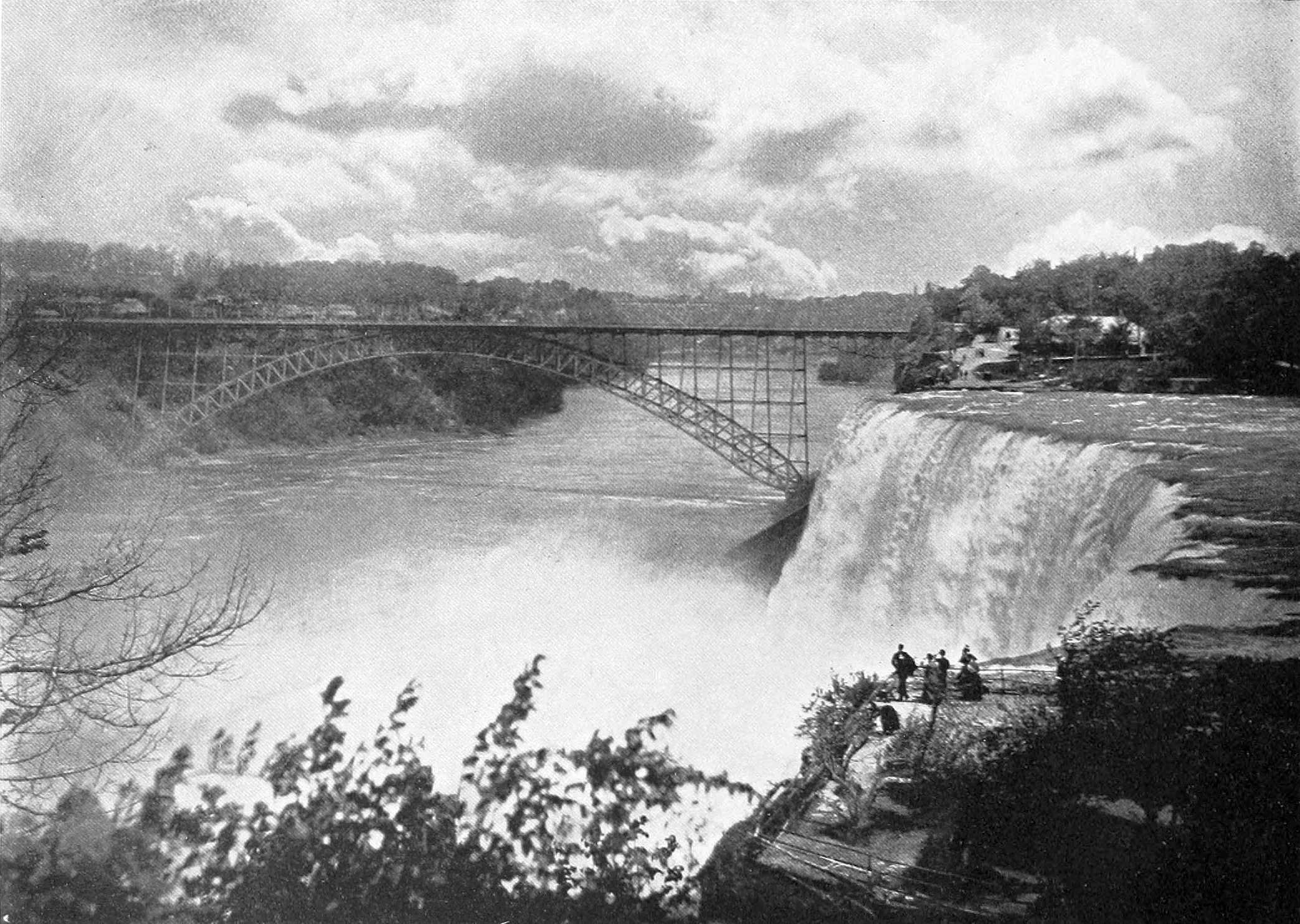
Niagara is not only a scenic icon but also a major site of engineering and hydroelectric development. Over decades, Canada and the United States built systems to harness part of the river's energy for electricity while protecting the visual and ecological character that draws visitors from around the world. Managing this balance required treaties, technical innovation, and ongoing cooperation across the border.
For visitors, this hidden layer of Niagara history is fascinating because it reframes the falls as both natural wonder and working landscape. The same water that powers tourism also powers homes and industry. You can admire a sunset at the railings and, at the same time, appreciate the planning that helps preserve flow, access, and safety. Niagara's story is not nature versus people; it is a continuing negotiation between beauty, utility, and responsibility.
Niagara Falls in the Victorian imagination
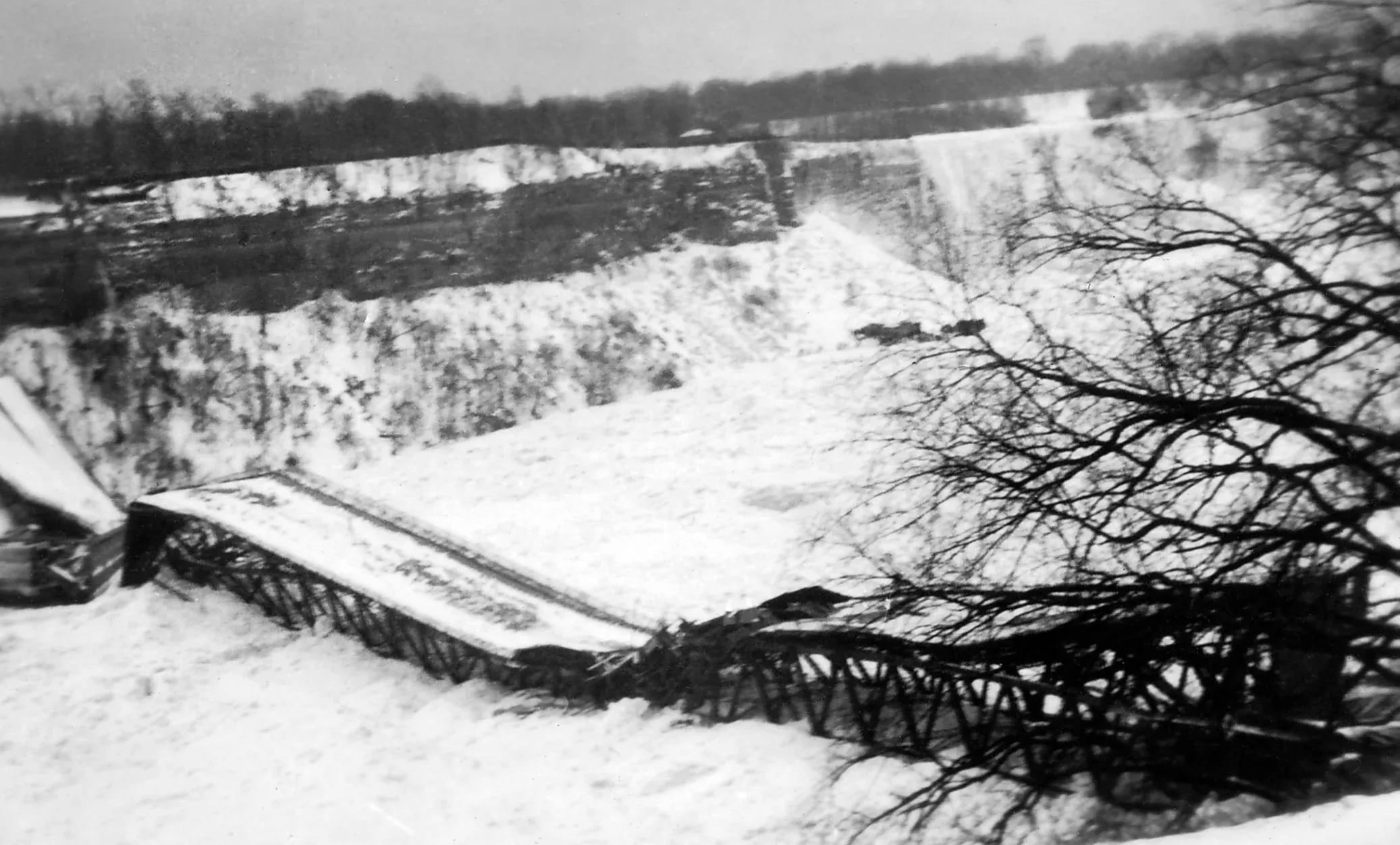
During the Victorian era, Niagara became a near-mythic destination in travel literature and art. Writers described it as sublime, painters dramatized the mist and cliffs, and visitors arrived expecting a transformative emotional encounter. Souvenir culture grew quickly, from prints and postcards to keepsakes that carried the image of the falls into distant homes across North America and Europe.
That legacy still influences the way Niagara is marketed and experienced today. You can feel echoes of that earlier era in grand viewpoints, ceremonial promenades, and the language of wonder that appears in brochures and signs. Yet modern Niagara is less formal and more democratic: families in sneakers stand beside photographers with pro gear, and everyone gets the same front-row encounter with the water. The destination has changed tone, but it has kept its dramatic heart.
Cross-border culture and shared identity
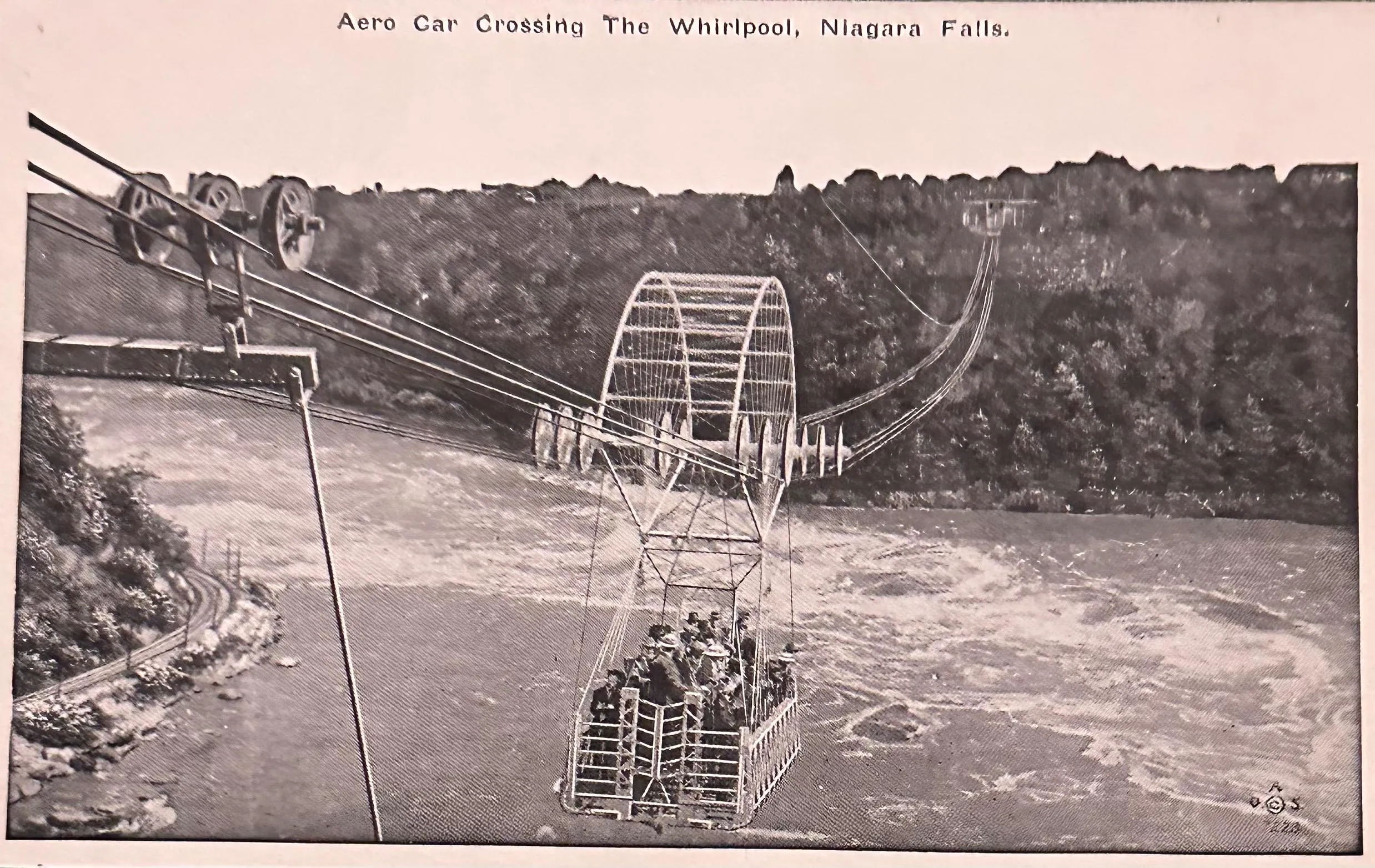
Few destinations are shaped so visibly by an international border while still feeling like one continuous place. The Canadian and American sides offer different angles, attractions, and city rhythms, but they are joined by the same river, the same mist, and the same enduring fascination. Visitors often compare perspectives and discover that each side adds context to the other.
This dual identity gives Niagara a distinctive energy. You hear multiple languages on the promenade, meet travelers from every continent, and watch two nations care for one shared natural landmark. Even if your itinerary stays on the Ontario side, the cross-border character is always present in the skyline, in local stories, and in the practical choreography of tourism and infrastructure. It makes Niagara feel both local and global at once.
Safety, infrastructure and accessibility today
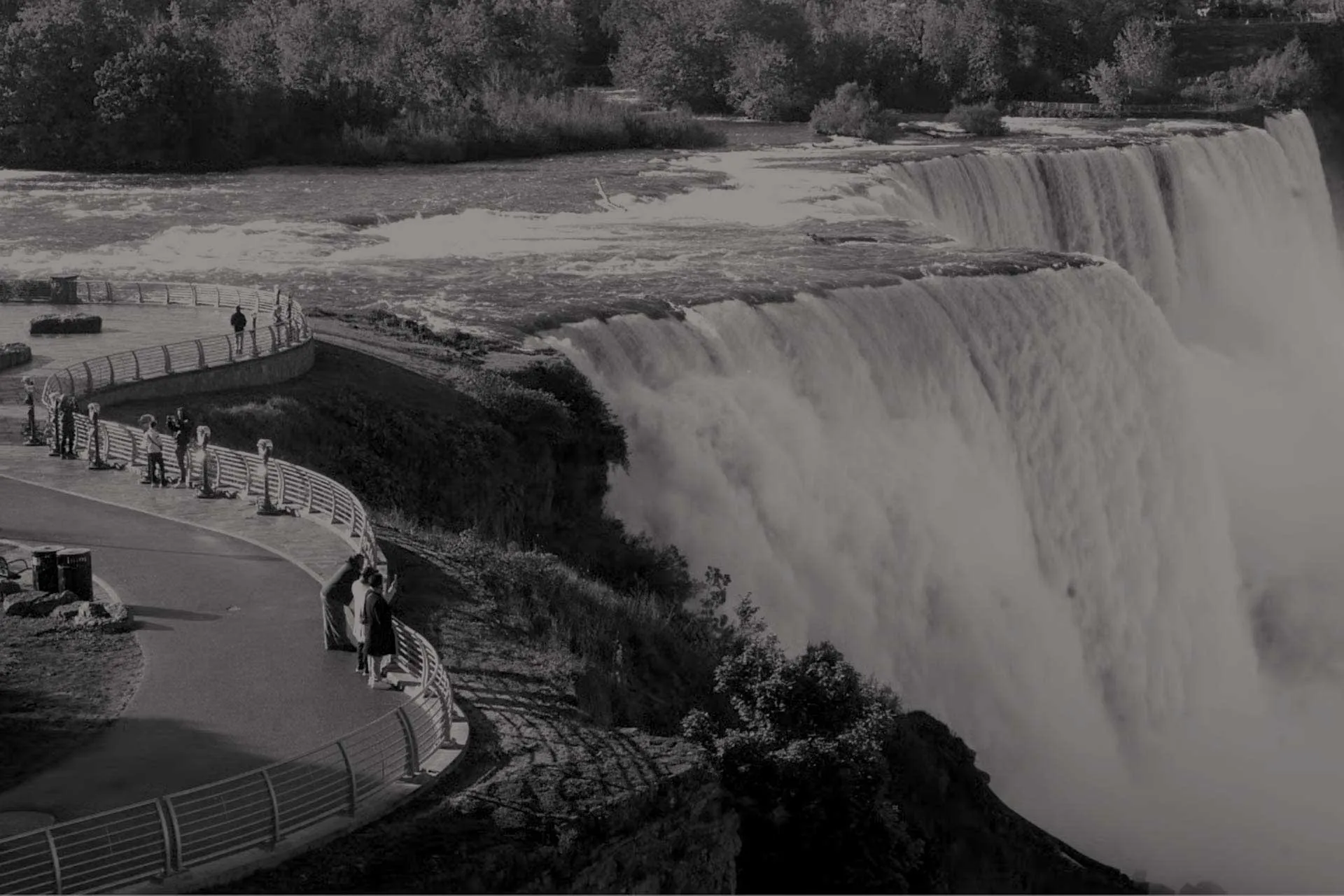
Modern Niagara tourism depends on systems many visitors barely notice: reinforced pathways, clear barriers, timed-entry controls, weather protocols, and coordinated emergency planning. These details matter because the environment is powerful and conditions can shift quickly. Good infrastructure allows millions of people to enjoy the falls while reducing risk in crowded or wet areas.
Accessibility has also improved significantly, with upgraded routes, elevators, and adapted facilities at many major attractions. Challenges remain in some older or steeper sections, but planning has become easier thanks to clearer guidance and better on-site support. For most travelers, this means a visit that feels open and manageable, with more confidence to focus on the experience rather than the logistics.
Festivals, culture and seasonal rituals
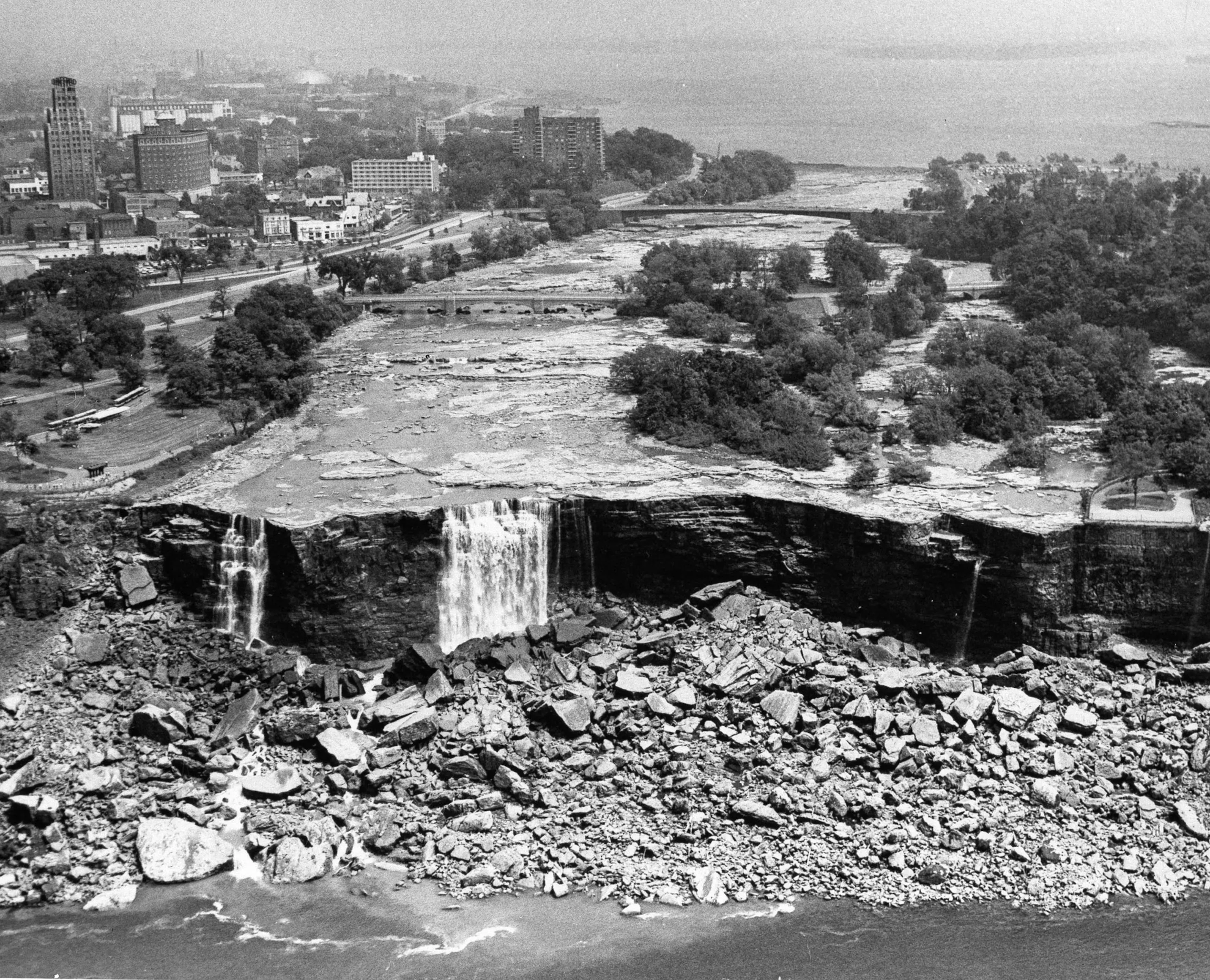
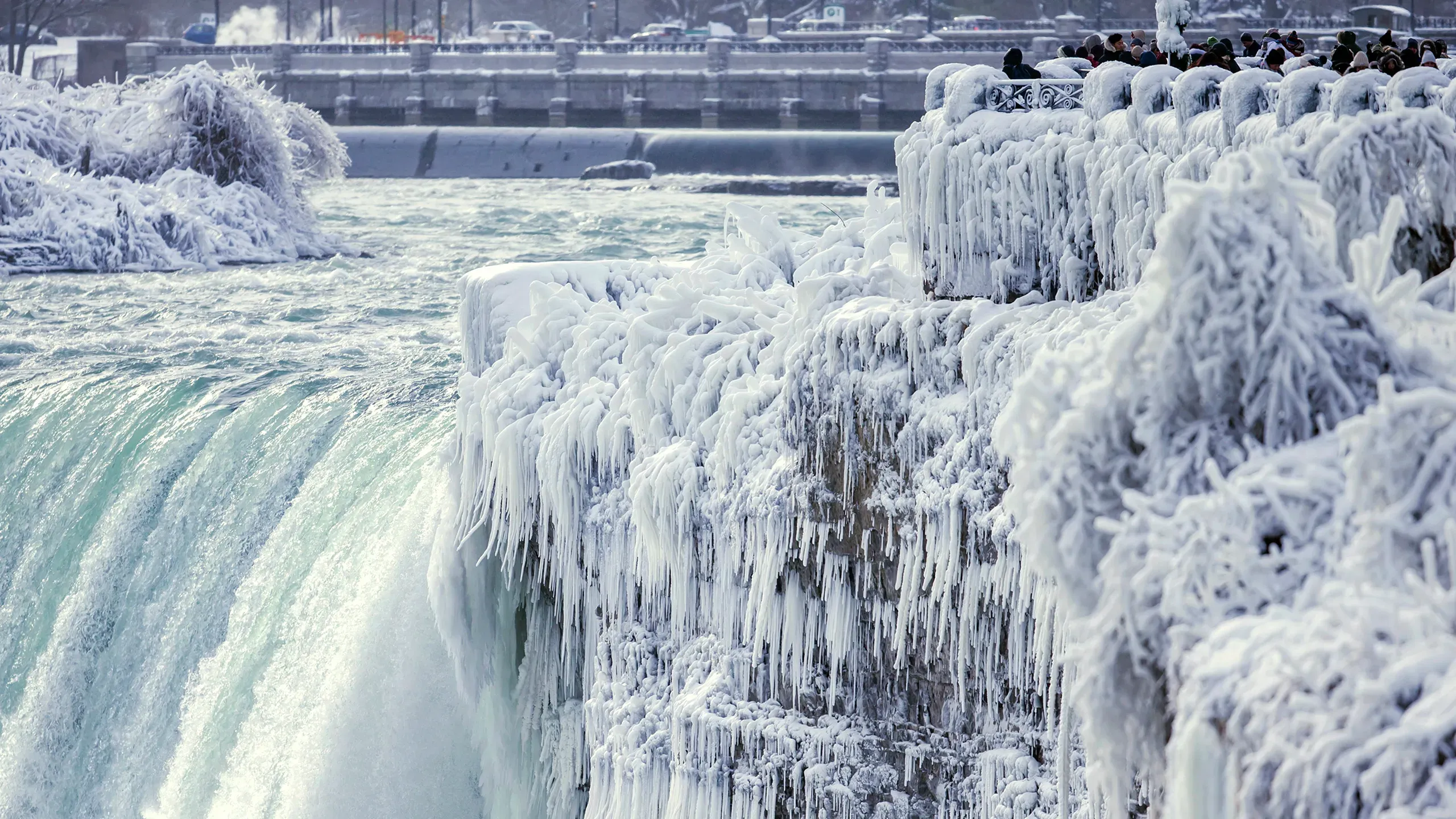
Niagara's atmosphere changes with the calendar. Summer brings long evenings, active promenades, and a festival mood in the core tourism district. Autumn adds color and cooler air, often with crisp visibility for photos. Winter transforms the scene into a quieter, more contemplative landscape where ice, mist, and lights create a completely different visual drama.
Seasonal illumination and event programming have become part of the destination's identity, giving repeat visitors reasons to return at different times of year. One trip might be all sunshine and boat spray; another might be about bundled coats, glowing evening views, and peaceful morning walks. Niagara is not a one-season wonder. Its personality shifts, and that variety is part of what keeps it memorable.
How to plan a smarter modern visit
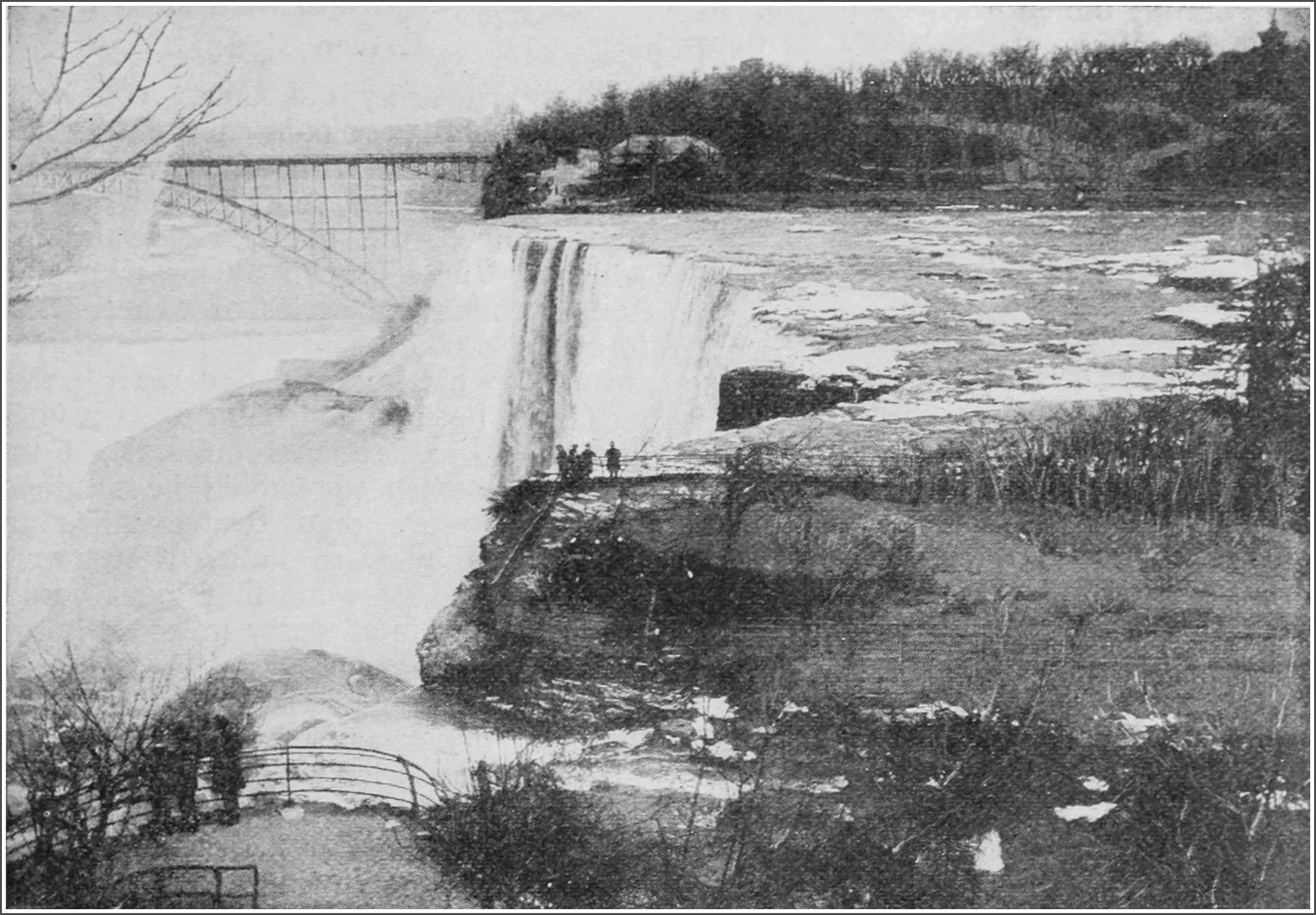
Planning well can transform your day from rushed to rewarding. Start by deciding your anchor experience, usually the boat ride or Journey Behind the Falls, then build around it with nearby viewpoints and one or two additional attractions. Group activities by location so you spend less time backtracking and more time enjoying the riverfront.
Think in energy waves: high-intensity moments like boat departures and busy observation areas are best balanced with slower breaks for meals, scenic walks, or tower views. If you travel with children, seniors, or mixed mobility needs, add generous buffers between timed entries. Niagara rewards pacing. The goal is not to check every box, but to experience the falls deeply and leave with real memories instead of itinerary fatigue.
Sustainable tourism at the falls
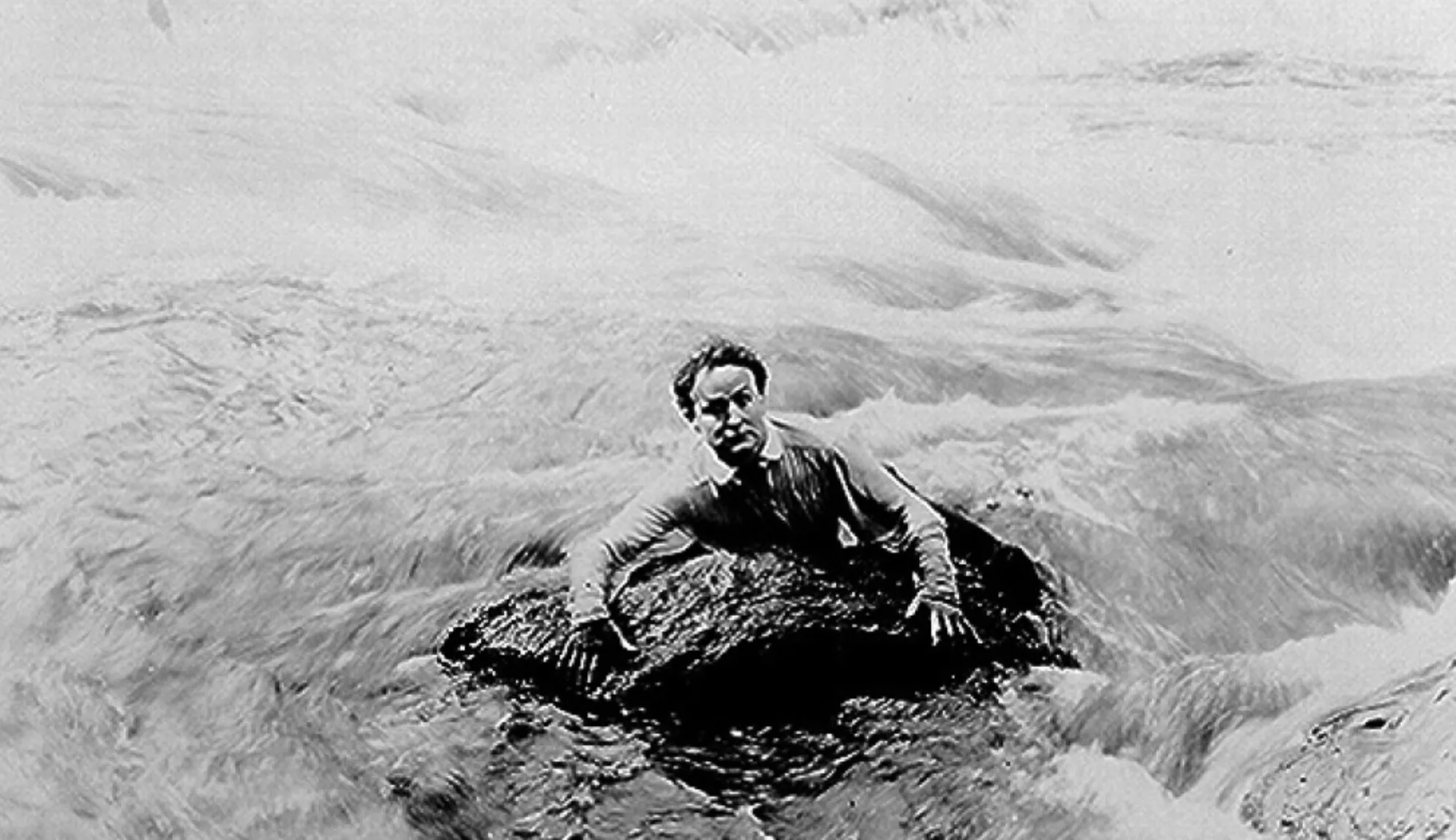
With millions of annual visitors, sustainability is central to Niagara's future. Responsible tourism here means simple choices repeated at scale: staying on designated paths, reducing litter, respecting wildlife, supporting well-managed attractions, and using shared transport where possible. Small actions from many people help protect the river corridor over time.
Operators and local authorities continue investing in conservation, infrastructure upgrades, and visitor education to keep the experience viable for future generations. As a visitor, you are not just consuming a destination; you are participating in its long-term care. That perspective adds meaning to the trip and aligns the thrill of discovery with a sense of stewardship.
Beyond the main viewpoints
Many first-time visitors focus on headline attractions, and rightly so, but Niagara also rewards curiosity beyond the main railings. Quiet stretches along Niagara Parkway, lesser-known lookout points, and nearby gardens can offer breathing space after crowded hotspots. These moments often become favorite memories because they feel personal and unhurried.
If your schedule allows, pair one major attraction with one quieter walk or scenic stop. The contrast helps you appreciate both the spectacle and the landscape that surrounds it. Niagara is at its best when experienced as a full environment, not only a single viewpoint. A little extra time off the main path can make your day feel far more complete.
Why Niagara still feels timeless
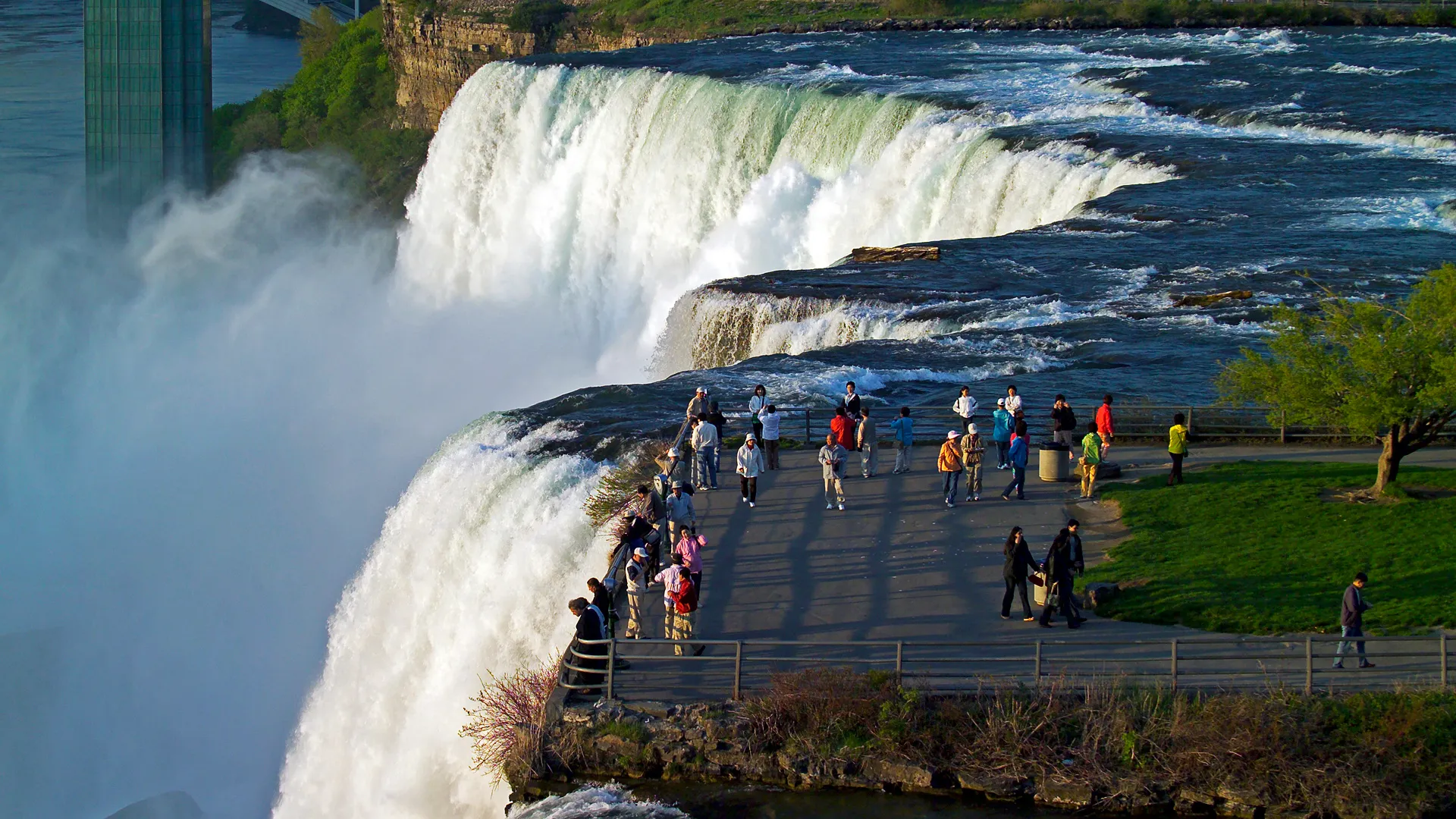
On paper, Niagara Falls is easy to summarize: water volume, cliff height, attraction counts, and ticket categories. In person, it resists summary. The sound is deeper than expected, the scale is harder to frame in photos, and the emotional response arrives quickly and often unexpectedly. People who have traveled widely still pause here in genuine silence.
That is why Niagara remains timeless. Technologies change, tour formats evolve, and city districts modernize, yet the core encounter stays powerful. You come for a famous destination and leave with something more intimate: a memory of standing beside immense moving water, feeling very small and very alive at the same time. Few places deliver that sensation so consistently across generations.
Table of Contents
How Niagara Falls was formed
Long before observation decks, tour boats, and city lights, Niagara Falls was shaped by ice, pressure, and time on a scale that is hard to imagine. Near the end of the last Ice Age, retreating glaciers carved channels and exposed layers of rock that directed immense volumes of water from the upper Great Lakes toward what is now the Niagara River. As meltwater surged, the river began cutting backward through softer stone beneath harder caprock, creating the dramatic cliff line that still defines the falls today. In geological terms, Niagara is not a frozen monument but a living process, always changing, always wearing the landscape into new forms.
That slow reshaping is one reason the area feels so compelling in person. You are not only looking at beautiful scenery; you are standing in front of active earth history. The mist that drifts across the railings, the vibration you feel in your chest on the boat, and the deep curve of Horseshoe Falls all come from forces that started tens of thousands of years ago and continue every second. Understanding this gives your visit a different texture: Niagara becomes more than a famous attraction, it becomes a reminder that nature can be both patient and overwhelming at the same time.
Indigenous history and early encounters
Long before Niagara appeared in European travel writing, this region was home to Indigenous communities whose knowledge of the land, river routes, and seasonal cycles shaped life around the falls. Oral histories and cultural memory preserve relationships with these waters that are far older than modern tourism. The falls were not simply scenic; they were part of larger networks of movement, trade, diplomacy, and spirituality. Travelers who come today for excitement and photos are stepping into a place that has carried meaning for countless generations.
As colonial expansion grew, Niagara became a point of contact and contest, then eventually a symbol in maps, paintings, and traveler stories. But the older relationship to place never disappeared. A thoughtful visit today includes recognizing that Niagara's fame sits on deeper histories, and that the river corridor holds layers of human experience beyond the viewpoint railings. This awareness does not make the trip heavier; it makes it richer, grounding the spectacle in real people, memory, and continuity.
From frontier crossing to tourist destination
In the 19th century, better roads, rail links, and steam travel transformed Niagara from a difficult journey into a sought-after destination. Travelers arrived with guidebooks, sketch pads, and increasingly ambitious expectations. Hotels expanded, promenades improved, and local businesses adapted to a new economy centered on visitors who wanted both comfort and adventure. Niagara quickly became one of North America's earliest large-scale tourism landscapes.
What is striking is how familiar many motivations still feel. Then as now, people came for awe, celebration, romance, and the simple need to witness something greater than everyday routines. Honeymoon traditions, family road trips, and milestone visits all found a home here. The destination evolved, but the emotional reason for coming remained remarkably consistent: Niagara offers a shared experience that feels personal, whether you are visiting for the first time or returning after many years.
The rise of boat excursions
Boat trips at Niagara have a long lineage, evolving from early excursion craft into the modern, safety-focused sightseeing vessels that carry thousands of visitors each season. The basic idea has always been irresistible: if the falls are impressive from a distance, what happens when you approach the base? Over time, operators refined routes, boarding systems, and protective gear, making close-up access both thrilling and broadly accessible to everyday travelers.
Today, the boat experience is often the emotional centerpiece of a Niagara itinerary. As engines push into the spray, conversations dissolve into laughter, shouts, and wide-eyed silence. Cameras fog, ponchos whip in the wind, and for a few unforgettable minutes everyone shares the same sensation of scale. It is not just sightseeing; it is immersion. That is why, despite new attractions and digital distractions, the boat ride remains the signature Niagara memory for so many visitors.
Engineering, power and preservation
Niagara is not only a scenic icon but also a major site of engineering and hydroelectric development. Over decades, Canada and the United States built systems to harness part of the river's energy for electricity while protecting the visual and ecological character that draws visitors from around the world. Managing this balance required treaties, technical innovation, and ongoing cooperation across the border.
For visitors, this hidden layer of Niagara history is fascinating because it reframes the falls as both natural wonder and working landscape. The same water that powers tourism also powers homes and industry. You can admire a sunset at the railings and, at the same time, appreciate the planning that helps preserve flow, access, and safety. Niagara's story is not nature versus people; it is a continuing negotiation between beauty, utility, and responsibility.
Niagara Falls in the Victorian imagination
During the Victorian era, Niagara became a near-mythic destination in travel literature and art. Writers described it as sublime, painters dramatized the mist and cliffs, and visitors arrived expecting a transformative emotional encounter. Souvenir culture grew quickly, from prints and postcards to keepsakes that carried the image of the falls into distant homes across North America and Europe.
That legacy still influences the way Niagara is marketed and experienced today. You can feel echoes of that earlier era in grand viewpoints, ceremonial promenades, and the language of wonder that appears in brochures and signs. Yet modern Niagara is less formal and more democratic: families in sneakers stand beside photographers with pro gear, and everyone gets the same front-row encounter with the water. The destination has changed tone, but it has kept its dramatic heart.
Cross-border culture and shared identity
Few destinations are shaped so visibly by an international border while still feeling like one continuous place. The Canadian and American sides offer different angles, attractions, and city rhythms, but they are joined by the same river, the same mist, and the same enduring fascination. Visitors often compare perspectives and discover that each side adds context to the other.
This dual identity gives Niagara a distinctive energy. You hear multiple languages on the promenade, meet travelers from every continent, and watch two nations care for one shared natural landmark. Even if your itinerary stays on the Ontario side, the cross-border character is always present in the skyline, in local stories, and in the practical choreography of tourism and infrastructure. It makes Niagara feel both local and global at once.
Safety, infrastructure and accessibility today
Modern Niagara tourism depends on systems many visitors barely notice: reinforced pathways, clear barriers, timed-entry controls, weather protocols, and coordinated emergency planning. These details matter because the environment is powerful and conditions can shift quickly. Good infrastructure allows millions of people to enjoy the falls while reducing risk in crowded or wet areas.
Accessibility has also improved significantly, with upgraded routes, elevators, and adapted facilities at many major attractions. Challenges remain in some older or steeper sections, but planning has become easier thanks to clearer guidance and better on-site support. For most travelers, this means a visit that feels open and manageable, with more confidence to focus on the experience rather than the logistics.
Festivals, culture and seasonal rituals
Niagara's atmosphere changes with the calendar. Summer brings long evenings, active promenades, and a festival mood in the core tourism district. Autumn adds color and cooler air, often with crisp visibility for photos. Winter transforms the scene into a quieter, more contemplative landscape where ice, mist, and lights create a completely different visual drama.
Seasonal illumination and event programming have become part of the destination's identity, giving repeat visitors reasons to return at different times of year. One trip might be all sunshine and boat spray; another might be about bundled coats, glowing evening views, and peaceful morning walks. Niagara is not a one-season wonder. Its personality shifts, and that variety is part of what keeps it memorable.
How to plan a smarter modern visit
Planning well can transform your day from rushed to rewarding. Start by deciding your anchor experience, usually the boat ride or Journey Behind the Falls, then build around it with nearby viewpoints and one or two additional attractions. Group activities by location so you spend less time backtracking and more time enjoying the riverfront.
Think in energy waves: high-intensity moments like boat departures and busy observation areas are best balanced with slower breaks for meals, scenic walks, or tower views. If you travel with children, seniors, or mixed mobility needs, add generous buffers between timed entries. Niagara rewards pacing. The goal is not to check every box, but to experience the falls deeply and leave with real memories instead of itinerary fatigue.
Sustainable tourism at the falls
With millions of annual visitors, sustainability is central to Niagara's future. Responsible tourism here means simple choices repeated at scale: staying on designated paths, reducing litter, respecting wildlife, supporting well-managed attractions, and using shared transport where possible. Small actions from many people help protect the river corridor over time.
Operators and local authorities continue investing in conservation, infrastructure upgrades, and visitor education to keep the experience viable for future generations. As a visitor, you are not just consuming a destination; you are participating in its long-term care. That perspective adds meaning to the trip and aligns the thrill of discovery with a sense of stewardship.
Beyond the main viewpoints
Many first-time visitors focus on headline attractions, and rightly so, but Niagara also rewards curiosity beyond the main railings. Quiet stretches along Niagara Parkway, lesser-known lookout points, and nearby gardens can offer breathing space after crowded hotspots. These moments often become favorite memories because they feel personal and unhurried.
If your schedule allows, pair one major attraction with one quieter walk or scenic stop. The contrast helps you appreciate both the spectacle and the landscape that surrounds it. Niagara is at its best when experienced as a full environment, not only a single viewpoint. A little extra time off the main path can make your day feel far more complete.
Why Niagara still feels timeless
On paper, Niagara Falls is easy to summarize: water volume, cliff height, attraction counts, and ticket categories. In person, it resists summary. The sound is deeper than expected, the scale is harder to frame in photos, and the emotional response arrives quickly and often unexpectedly. People who have traveled widely still pause here in genuine silence.
That is why Niagara remains timeless. Technologies change, tour formats evolve, and city districts modernize, yet the core encounter stays powerful. You come for a famous destination and leave with something more intimate: a memory of standing beside immense moving water, feeling very small and very alive at the same time. Few places deliver that sensation so consistently across generations.